Floor Leveler Calculator & Self-Leveling Compound Cost Guide
A perfectly flat subfloor is the critical foundation for any successful flooring installation. Whether you are correcting minor dips with a skim coat or pouring deep structural self-leveler over a damaged concrete slab, understanding the precise factors behind floor leveling costs is essential. Use our guide and interactive estimator to calculate clear, hyper-local pricing.
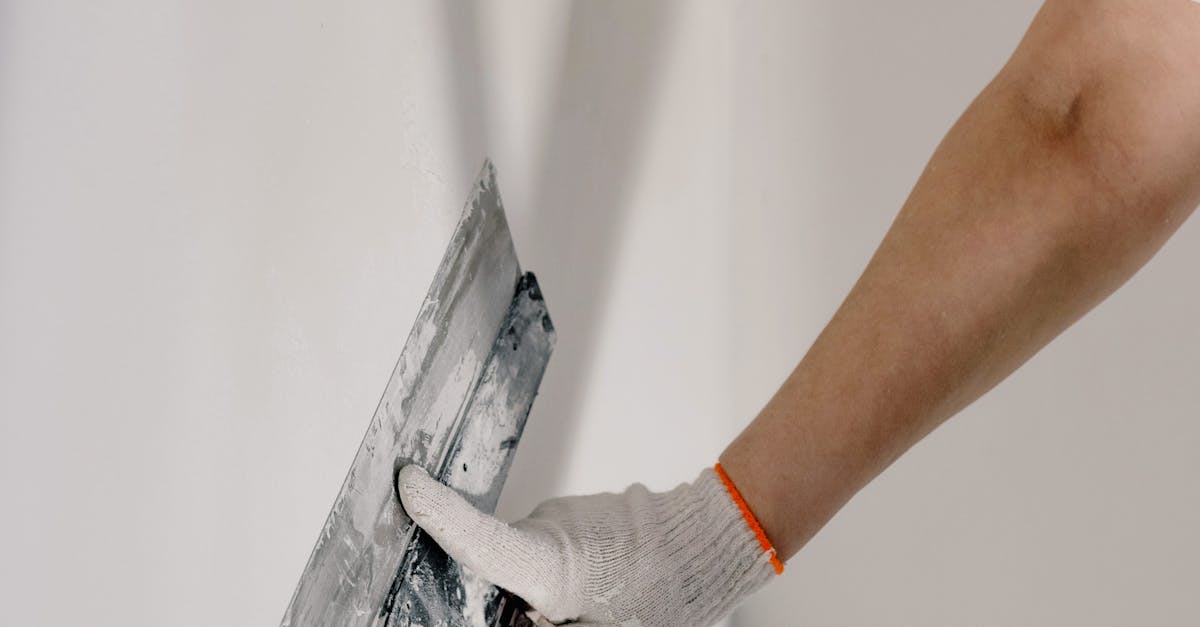
A properly leveled subfloor prevents premature flooring failures, hollow spots, and voided manufacturer warranties.
Quick Answer: What Is the Average Cost?
$1.50 – $5.00 per square foot
For standard residential subfloor leveling, homeowners typically spend between $1.50 and $5.00 per square foot for both self-leveling compound and professional labor. Simple skim-coating to fill minor dips sits at the accessible lower end, while deep structural pours (1 inch or more), concrete grinding, and extensive subfloor repair range from $3.00 to $7.00+ per square foot depending on the depth and extent of the unevenness.
Floor Leveling Cost by Type
Total project expenses scale directly with your square footage, the average pour depth required, and the specific leveling compound selected. Below is a breakdown of typical fully-installed pricing ranges based on project size.
| Leveling Service Type | Small < 500 sq. ft. |
Mid-Range 500 – 2,000 sq. ft. |
Large > 2,000 sq. ft. |
|---|---|---|---|
| Skim Coat (Feather Finish, up to 1/4") | $500 – $1,000 | $1,000 – $3,500 | $3,500 – $6,000+ |
| Self-Leveling Compound (1/4" – 1/2") | $850 – $1,750 | $1,750 – $6,000 | $6,000 – $10,000+ |
| Deep Pour (1" – 2" Structural Leveling) | $1,500 – $3,000 | $3,000 – $10,000 | $10,000 – $18,000+ |
| Concrete Grinding & Crack Repair | $750 – $1,500 | $1,500 – $5,000 | $5,000 – $9,000+ |
| Subfloor Replacement (Rotted Plywood / OSB) | $1,200 – $2,500 | $2,500 – $8,500 | $8,500 – $15,000+ |
Floor Leveler Cost Estimator
Select your leveling compound type and enter your project parameters below for an instant, hyper-local cost analysis.
Includes leveling compound material, primer, mixing, professional pour/application labor, and drying time.
How Floor Leveling Cost Is Calculated
Professional flooring contractors evaluate four primary variables to build an accurate, binding subfloor leveling quote for your home:
Total Area (Sq. Ft.)
The total square footage directly dictates the volume of compound bags, primer gallons, and required mixing and pouring man-hours.
Pour Depth & Compound Type
A thin skim coat uses far less material than a deep structural pour. Specialty high-compressive-strength or fast-curing compounds carry a premium material cost.
Labor & Site Prep
Removing old flooring, scraping adhesive, grinding high spots, applying bonding primer, and executing multi-room pours add significant labor overhead.
Geographic Location
Local supply chain logistics, regional contractor availability, and state-specific operational overhead directly impact your final contracted rate.
Floor Leveler Type Comparison
Selecting the correct leveling approach depends entirely on the extent of the unevenness, the substrate material, and the flooring that will be installed on top. Compare the core methods below:
Skim Coat / Feather Finish
Minor ImperfectionsA thin, trowel-applied cementitious patch used to fill small dips, cracks, and surface imperfections up to 1/4 inch deep. Ideal for preparing concrete or plywood subfloors for thin flooring like LVP, sheet vinyl, or engineered hardwood. It sets quickly and can typically accept flooring within 1 to 4 hours.
Self-Leveling Compound
Most PopularA pourable, self-spreading cementitious mix that flows to find its own level, correcting moderate unevenness between 1/4 inch and 1/2 inch. It provides an extremely smooth, hard surface ideal for tile, hardwood, laminate, and LVP. Requires priming the substrate first for proper bonding.
Deep Pour Structural Leveler
Severe UnevennessA high-strength, aggregate-filled compound designed for pours from 1 inch up to 2 inches or more in a single application. Used to correct severe structural settling, large concrete slab deviations, and significant dips. Deep pours require extended curing times and can carry a significant material premium.
Concrete Grinding & Crack Repair
High Spots & CracksFor concrete slabs with high spots and structural cracks, diamond grinding removes raised areas, while crack injection and patching with epoxy or polyurea fills and stabilizes the concrete. This is often a mandatory prep step before applying any self-leveling compound on a garage or basement floor.
Subfloor Replacement & Leveler
Structural RepairWhen plywood or OSB subfloor panels are rotted, warped, or heavily water-damaged, leveling over them is ineffective. Damaged panels must be cut out and replaced with new subfloor material, which is then fastened and leveled. This is the most comprehensive and expensive leveling approach.
Common Floor Leveling Project Costs
To help visualize realistic project budgeting, here are detailed cost estimates for the most frequently requested subfloor leveling scenarios:
Single Room Skim Coat (200 sq. ft.)
Applying feather finish to fill minor dips and smooth a standard bedroom subfloor before installing LVP.
Kitchen & Dining Leveling (400 sq. ft.)
Priming and pouring self-leveling compound at 1/4" depth across an open kitchen and dining area for tile installation.
Basement Deep Pour (800 sq. ft.)
Correcting severe 1.5" dips across a concrete basement slab with a deep structural pour before finishing.
Whole House Subfloor Leveling (1,500+ sq. ft.)
Complete multi-room leveling with mixed skim coat and self-leveler zones plus selective subfloor panel replacement.
Formula Summary
Our interactive calculator uses a transparent, industry-standard estimation model to evaluate your inputs:
- Area: Total floor square footage entered directly or calculated via Length × Width.
- Material: Baseline cost per sq. ft. based on the specific leveling compound and pour depth chosen.
- Labor: Multiplier reflecting subfloor prep intensity, primer application, and layout complexity.
- Location: Index adjusting for regional supply costs and economic baselines.
Self-leveling compound pricing varies by region, brand, and compressive strength. Deep pours require significantly more material per square foot, and specialty fast-curing or high-strength structural compounds can be 2x to 3x the cost of standard skim coat. Always purchase 10% extra compound to account for uneven subfloor absorption and mixing waste.
Estimates are for planning purposes only. Consult a qualified contractor for critical projects. Actual material requirements may vary based on site conditions, waste, and installation methods.
Frequently Asked Questions
Clear answers to your floor leveling and self-leveling compound inquiries.
Ready to Level Your Subfloor for a Perfect Installation?
Contact our licensed subfloor specialists today for a free in-home consultation, expert diagnosis, and transparent quote.